Celsius to Fahrenheit: Formula, Chart, and Everyday Conversions
To convert Celsius to Fahrenheit, multiply by 9/5 and add 32. This guide shows the formula with worked examples, a reference chart, and a quick mental math shortcut for when you don't have a calculator handy.
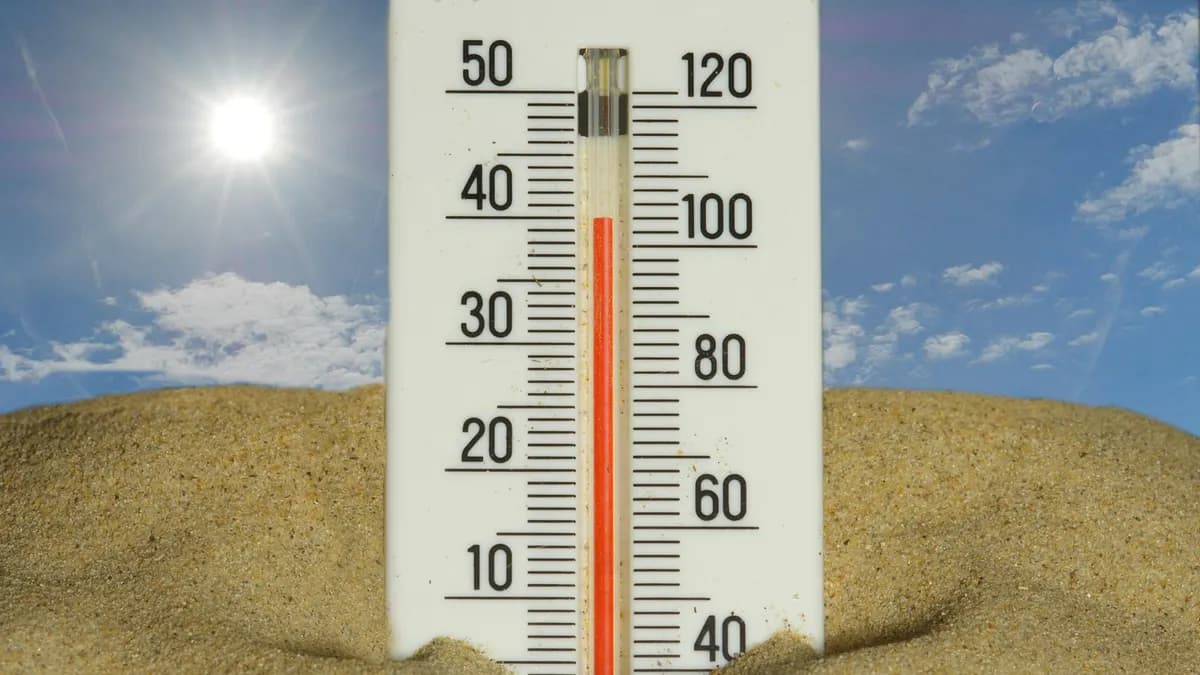
To convert Celsius to Fahrenheit, multiply the temperature by nine-fifths and then add thirty-two. As a formula that is
°F = °C × 9/5 + 32, which is the same as°F = °C × 1.8 + 32. Multiply first to stretch the scale, then add to shift the starting point.
Use our Celsius to Fahrenheit converter to skip the arithmetic.
The anchor points cover most needs
A handful of temperatures show up over and over. Freezing water, room temperature, body temperature, and boiling water account for most of the conversions anyone reaches for. Memorize these and you rarely need the full formula.
The formula, step by step
Multiply by nine-fifths first, then add. Nine-fifths and one-point-eight are the same multiplier, so use whichever you find easier. After you stretch the value, add the offset to land on Fahrenheit. A warm summer day shows the steps cleanly.
The same two steps handle body temperature. This is the conversion checked most often, and it lands exactly on the familiar reading.
Oven settings work the same way. Higher inputs just produce higher results, with no change in method.
Negative temperatures follow the identical rule. Multiply the negative value, then add the offset, and the result can still land above zero Fahrenheit.
A mental shortcut for rough answers
When you only need a ballpark, double the Celsius reading and add thirty. It skips the awkward fraction and gets close enough to answer "is it cold out?" The estimate runs a little high because doubling overshoots the true multiplier.
This trick stays accurate to within about two to three degrees Fahrenheit across the everyday range. It is fine for deciding what to wear and wrong for dosage, cooking, or engineering.
Reference chart
The table below pairs common Celsius values with their Fahrenheit equivalents and what each one represents in daily life.
For the cooking-specific range in depth, see our common temperature conversions.
Why the formula works
Celsius and Fahrenheit measure the same thing but start in different places and step at different sizes. The multiplier handles the difference in step size, since the span between freezing and boiling covers more degrees on the Fahrenheit scale. The added offset handles the difference in starting point, because Fahrenheit's zero sits below Celsius's zero.
Order matters. You stretch first and shift second. Adding the offset before multiplying would scale the offset too and give the wrong answer.
Reverse: Fahrenheit to Celsius
To go the other direction, undo the steps in reverse order. Subtract the offset first, then divide by the multiplier.
See our Fahrenheit to Celsius guide for the full walkthrough in the other direction, or the Fahrenheit to Celsius calculator for instant results.
For instant conversions in either direction, use our Celsius to Fahrenheit converter or the Fahrenheit to Celsius guide.
Common questions
Multiply the Celsius temperature by nine-fifths, then add thirty-two. The formula is °F = °C × 9/5 + 32, which equals °F = °C × 1.8 + 32. Always multiply before adding, because the multiplier stretches the scale and the offset shifts its starting point.
Double the Celsius reading and add thirty. It avoids the fraction and stays accurate to within roughly two to three degrees across normal weather. Use it for casual estimates, not for cooking, medical readings, or anything that needs precision.
Negative forty reads identically on both. The two scales cross at that single point, so a thermometer showing it gives the same number whether it is marked in Celsius or Fahrenheit.
The multiplier and the offset fix two separate differences between the scales. Multiplying corrects the step size, and adding corrects the starting point. Adding first would scale the offset along with the temperature and throw the result off.
Normal body temperature converts cleanly from the Celsius value most clinicians use. Running it through the formula lands on the familiar reading people see on a home thermometer.